
JANUARY 15 — 17, 2027 | Live on Zoom
What if Tibetan yoga, breath and meditation could help you feel calmer, steadier and happier?
The world keeps changing faster than we can keep up. Worry builds, reactions run strong, and the same thoughts go round in circles. Your body holds the tension all day, and your mind rarely gets a moment of space.
So you sit down to meditate, hoping it will help. Your body fidgets. Your thoughts race. And you decide you're “just not good at meditation.”
You're not. You may simply be starting in the wrong place.
Meditation is supposed to help. So why is it so hard to settle?
You can’t think your way to a quiet mind. Tibetan traditions start with the body and breath.
In Tibetan healing and contemplative traditions, body, breath and mind are understood together. When the body is unsettled and attention is caught up in thoughts and feelings, meditation can feel like a struggle. Movement and breathing practices can help prepare the ground so we come to meditation with more ease and steadiness.
Yoga and movement
Gentle movement practices from the Tibetan tradition that release tension and help the body settle.
Breath and voice
Breathing practices that act as a bridge between a busy body and a quieter, more attentive mind.
Mind and meditation
Ways of noticing worry and repetitive thinking, and relating to them with more clarity.
Three days. Here's what's inside.
Day 1
Fri. 15 Jan
Start With the Body. Not the Mind.
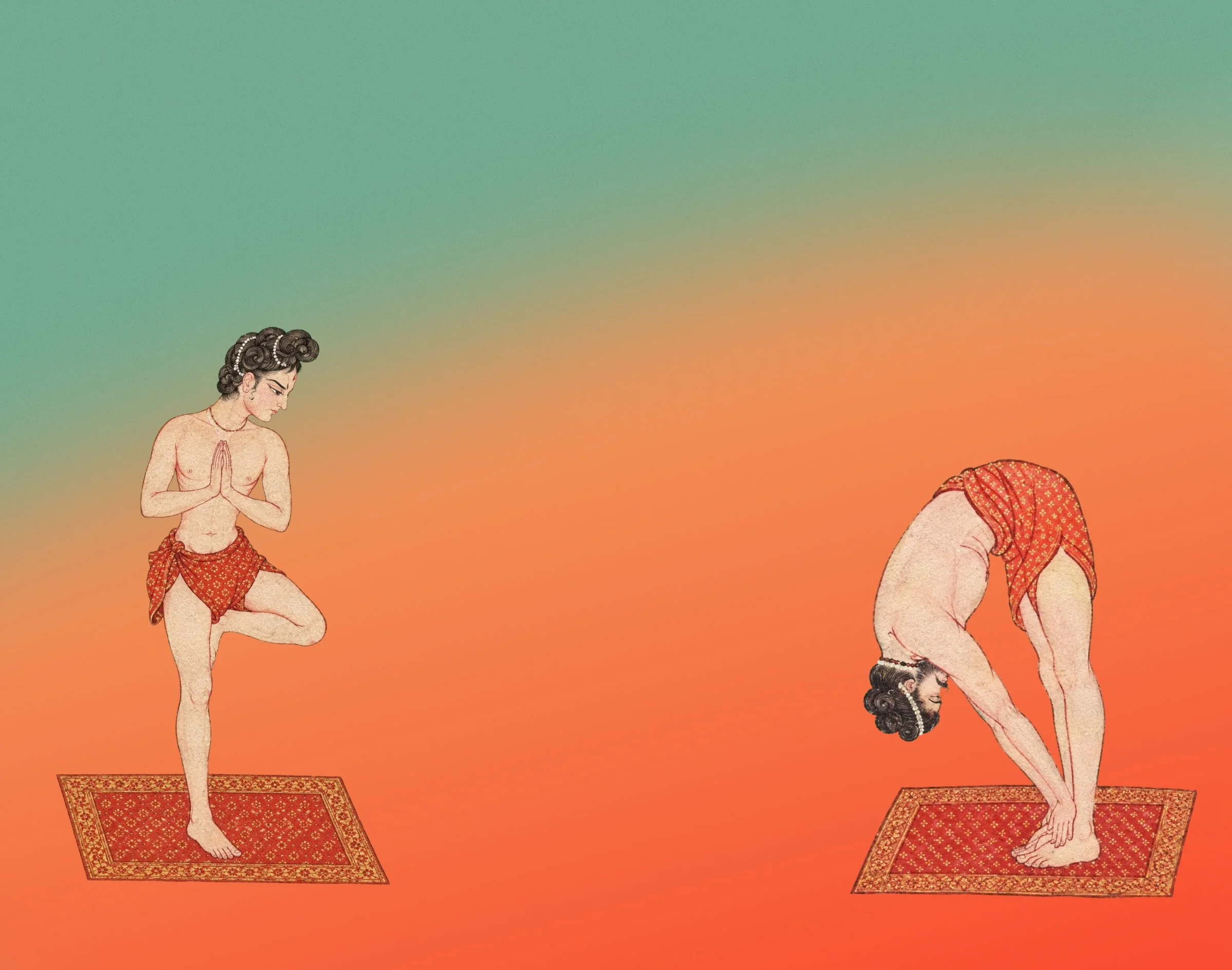
Most of us try to calm the mind while the body is still braced. Tibetan yoga starts the other way round.
Tibetan yoga’s roots, and its links to Indian yoga
How teachers make Nejang part of daily life
Breathwork, pranayama and rLung, the Tibetan idea of “wind”
You leave with
What Tibetan yoga is, and how it could fit into your life.
Day 2
Sat. 16 Jan
A Clearer Mind. Not an Empty One.
Meditation isn’t about switching your thoughts off. It’s about how you relate to them.
Meditation and dream yoga, alongside psychology and psychiatry
Meditation in health, grief and end-of-life care
Painting as meditation, and practice in everyday life
You leave with
A fresh way to relate to your thoughts and meditating.
Day 3
Sun. 17 Jan
New Voices. Fresh Research.
Graduates share their thesis work: a glimpse of where the tradition is heading.
You leave with
A feel for the living field you’ve just stepped into.
New to Sowa Rigpa?
For centuries, Tibetan yoga, breath and meditation have passed from teacher to student across the Himalayas. This January, teachers and practitioners from around the world gather online to explore what these teachings offer today, and how you might carry them into daily life.
At the heart of the Forum is Sowa Rigpa, “the science of healing”: the Tibetan medical tradition that understands health through body, mind, food and ways of living.
Rooted in the teaching community of Tibetan medicine doctor Dr. Nida Chenagtsang, the Forum is a space for learning, dialogue and reflection, whether you're completely new or have studied for years.
Listen. Ask. Find your next step.
Over three days, here’s what you’ll take away.
Why yoga, breath and meditation belong together. One path, not three separate techniques.
Steadiness in real life. At work, at home and in a world that keeps changing.
What to do with worry and looping thoughts. How contemplative practice helps you recognise them, and respond differently.
Your questions, answered live. Curious, sceptical or already practising, all welcome.
How Tibetan medicine sees you. Body, breath and mind as one system, explained in plain language.
Where to go next. Clear directions for further study and practice, at your own pace.
Learn from Tibetan medicine doctors, yoga teachers and meditation practitioners.
-
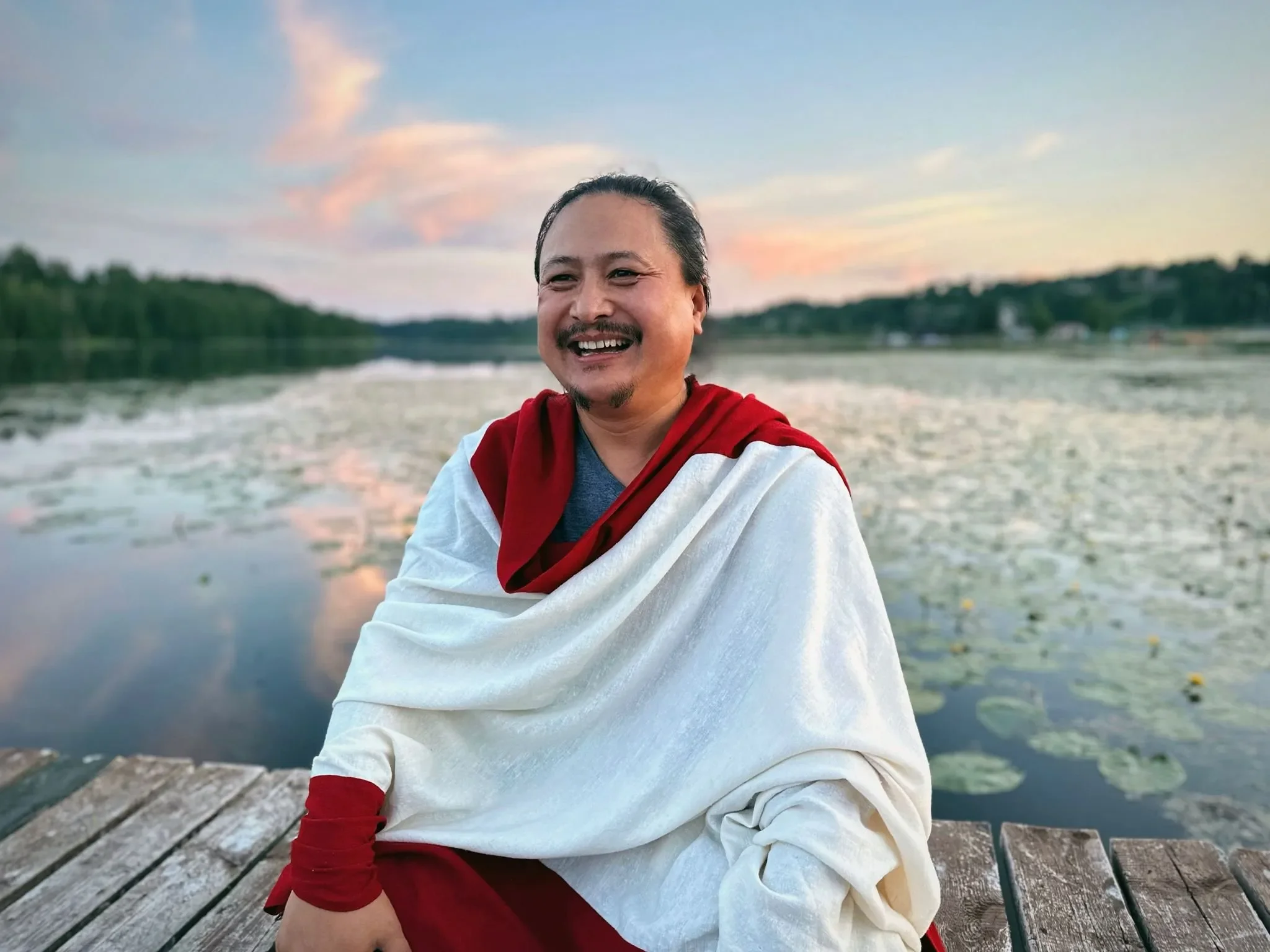
Dr. Nida Chenagtsang སྨན་པ་ཉི་ཟླ།
Traditional Tibetan physician and lineage holder of the Yuthok Nyingthig.
Topic: Yoga of body, speech and mind
-
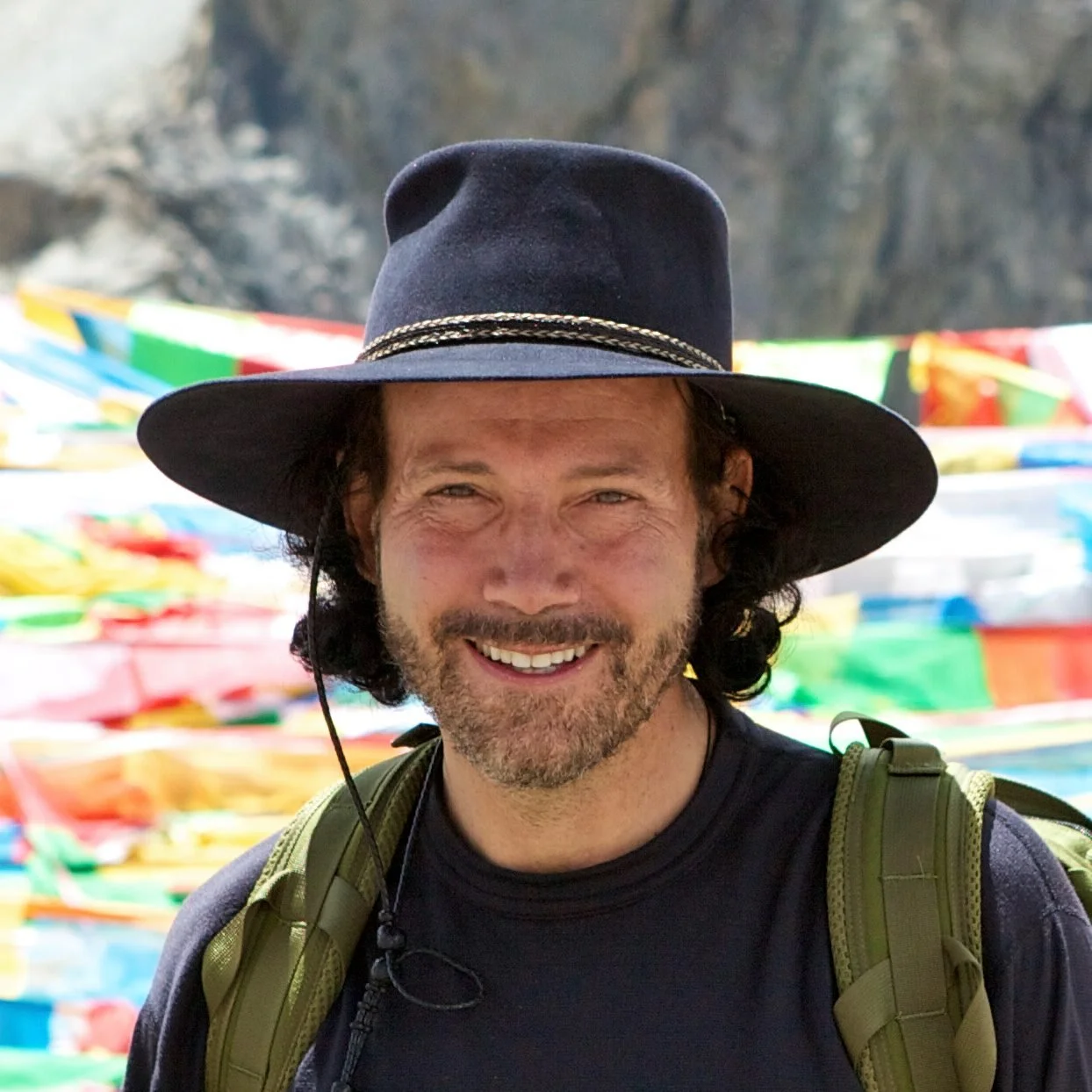
Ian Baker
Author of Tibetan Yoga: Principles and Practices and a cultural historian exploring Tibetan Buddhism, healing and Himalayan traditions. His seven books also include The Tibetan Art of Healing. National Geographic named him one of seven “Explorers for the Millennium” for his groundbreaking research in Tibet.
Topic: Tibetan Yoga, Principles and Practices
-
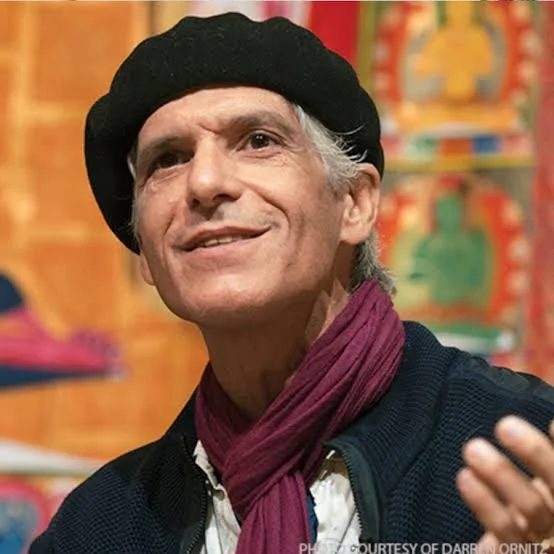
Dr. Joe Loizzo
MD, PhD, is a Harvard-trained psychiatrist and Columbia-trained Buddhist scholar with over forty years’ experience studying the beneficial effects of contemplative practices on healing, learning and development. Founder & Academic Director: Nalanda Institute.
Topic: Tantric yoga and somatic psychotherapy: Complementary approaches to transforming trauma -
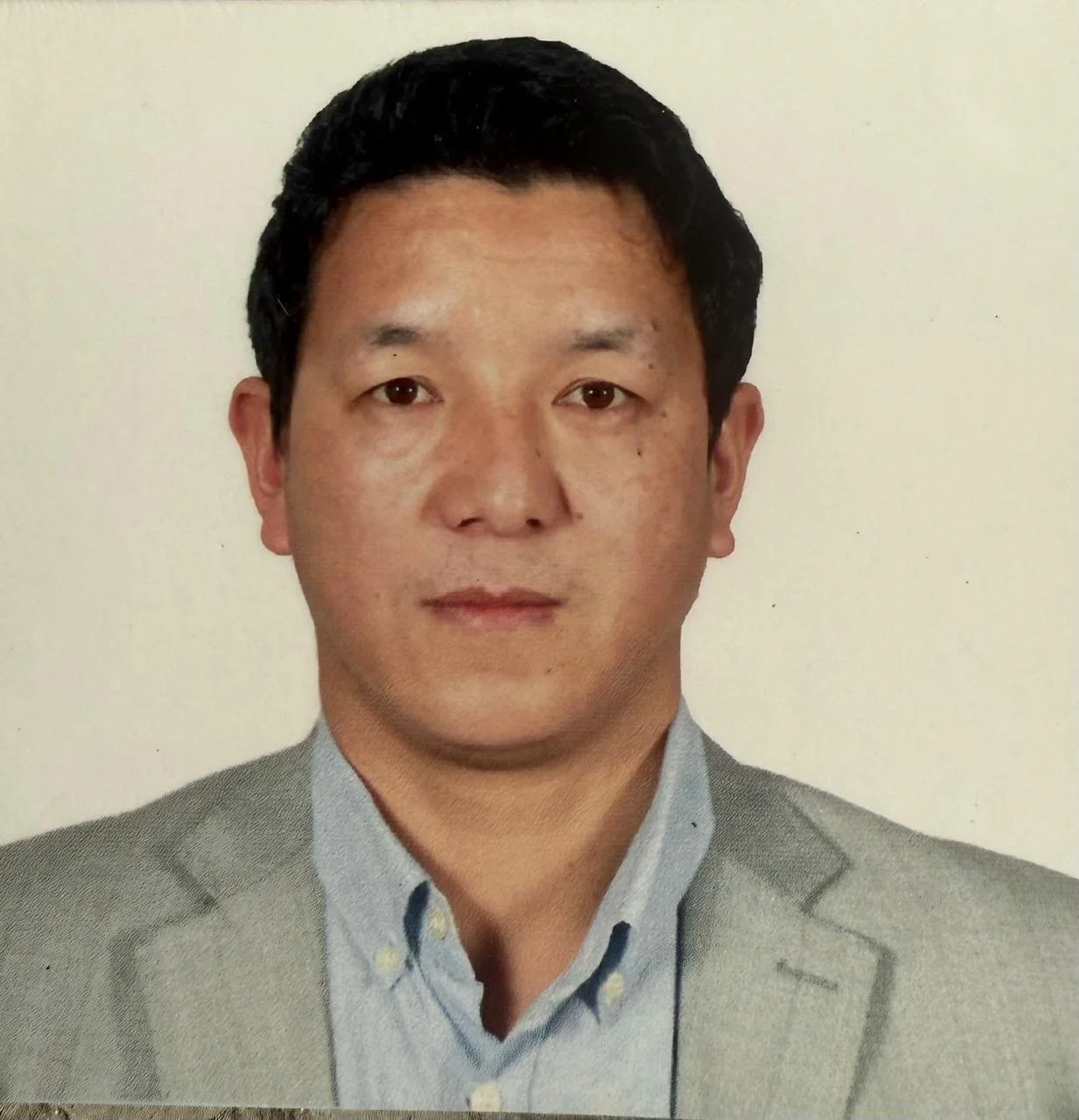
Amchi Nyima Tsering
Traditional Tibetan physician, founding member and the former Principal of the Sowa Rigpa International College in Kathmandu, Nepal
Topic: Breath, rLung and Mental Wellbeing: A Sowa Rigpa Perspective -
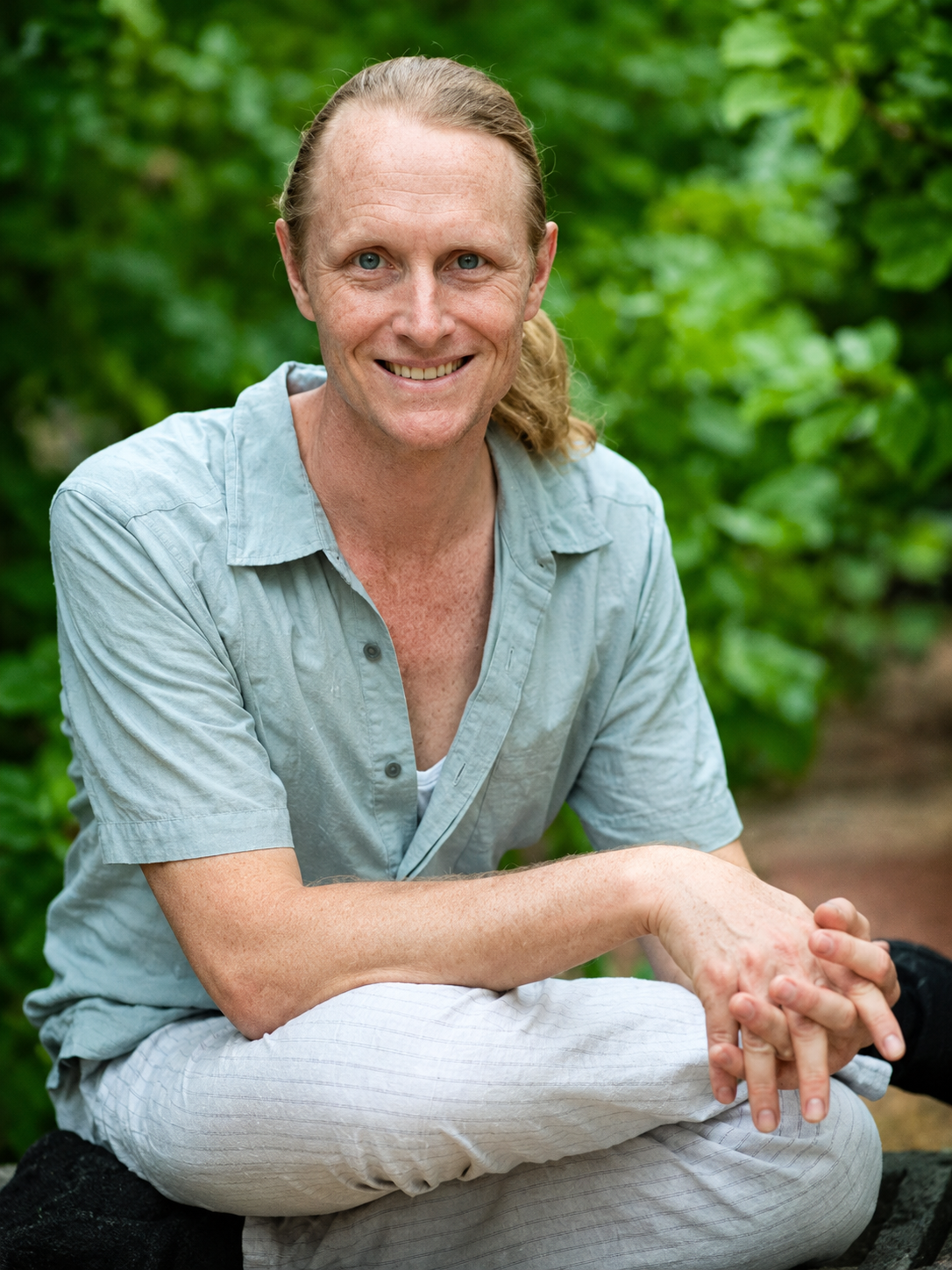
John R. B. Campbell
Scholar of Indo-Tibetan Buddhism, translator of Sanskrit and Tibetan, and certified Ashtanga yoga teacher. With more than thirty years of practice, he teaches yoga, meditation and philosophy through the Vajra Yoga programme at Tibet House US, exploring connections between Indian and Tibetan traditions.
Topic: Indian and Tibetan yoga traditions -
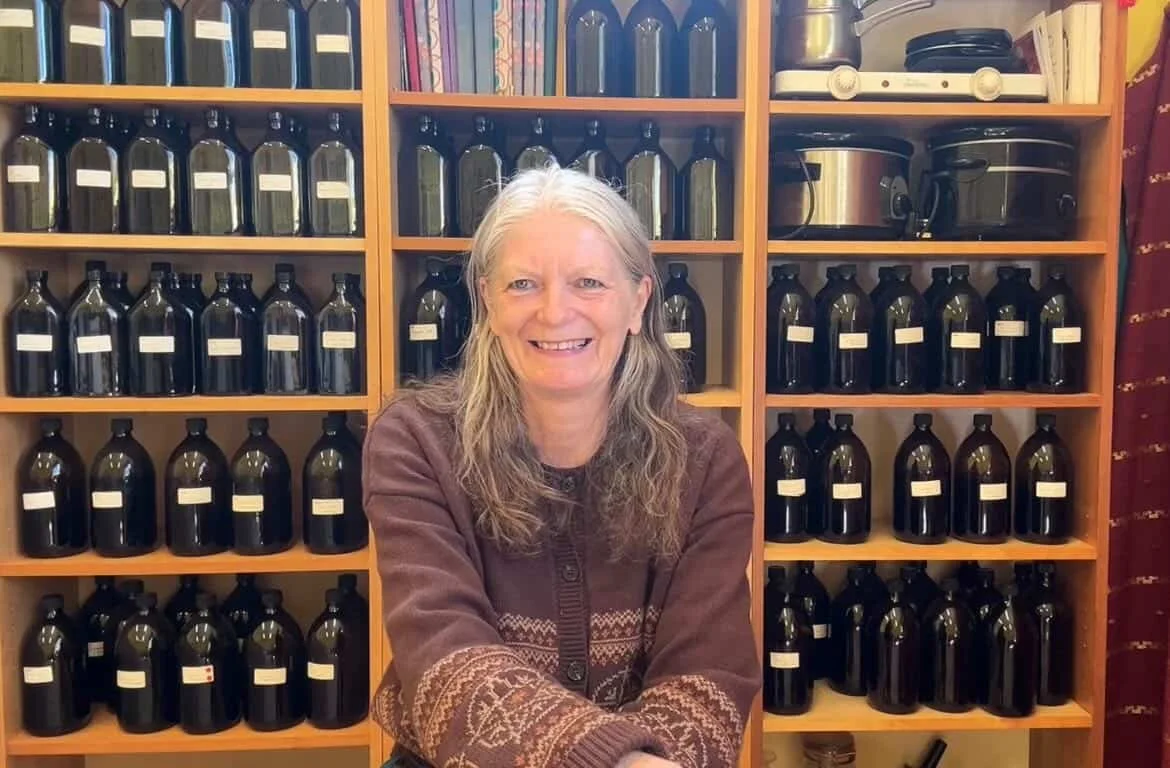
Lucy Jones
Medical herbalist and author of Self Sufficient Herbalism and A Working Herbal Dispensary. She studied Tibetan medicine with Khenpo Troru Tsenum before training in Western herbal medicine. In practice since 2006, she brings a hands-on approach to healing through growing, gathering and preparing medicines from locally sourced plants.
Title: A Herbal Therapeutic Practice Built on Meditation and Samaya -
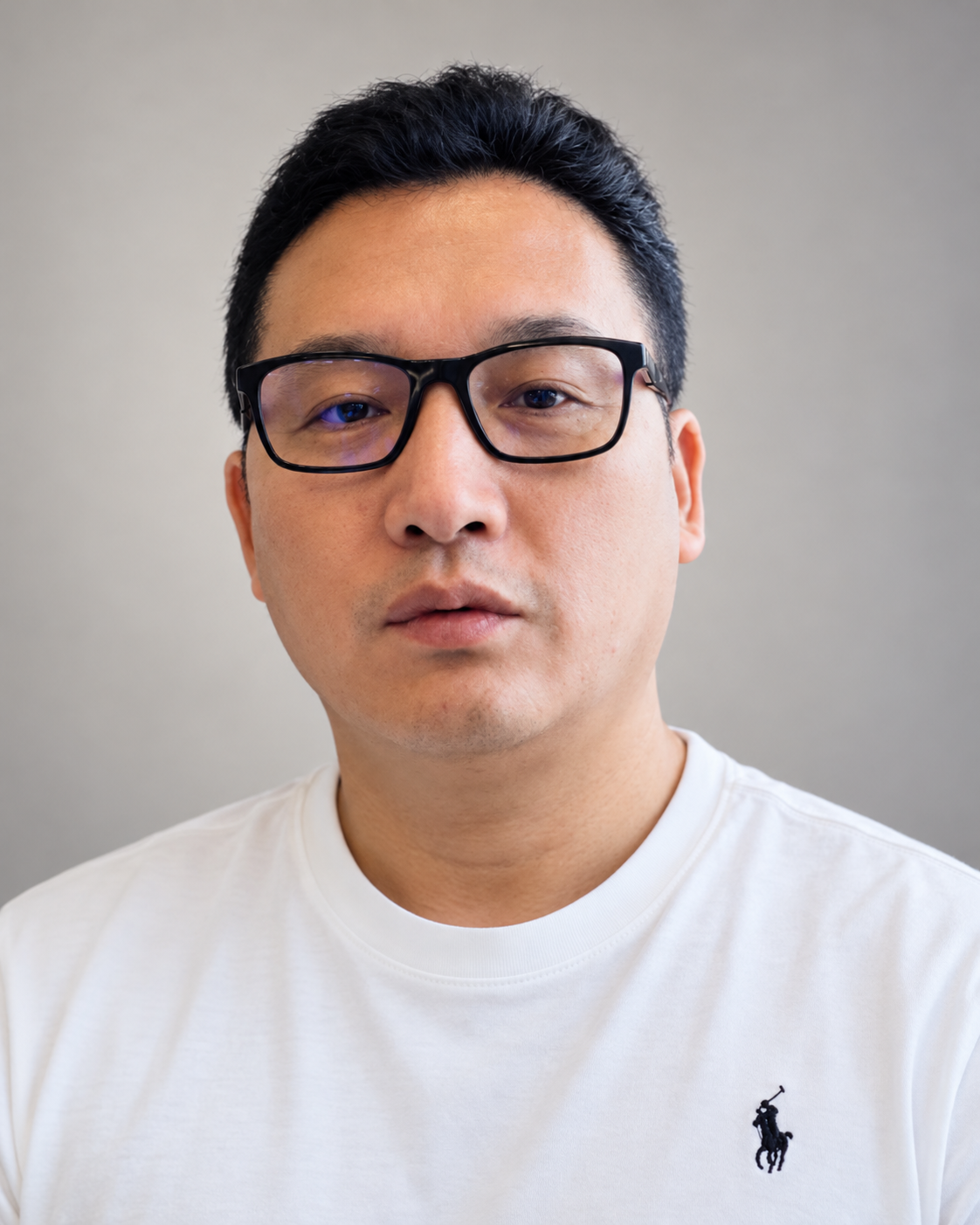
Dr. Kunga Wangdue
Tibetan medical physician based in NY, who is widely recognized for his work in holistic healing and community service.
Topic: Caring for rLung: Breath, Meditation and Everyday Life: Perspectives from clinical practice -
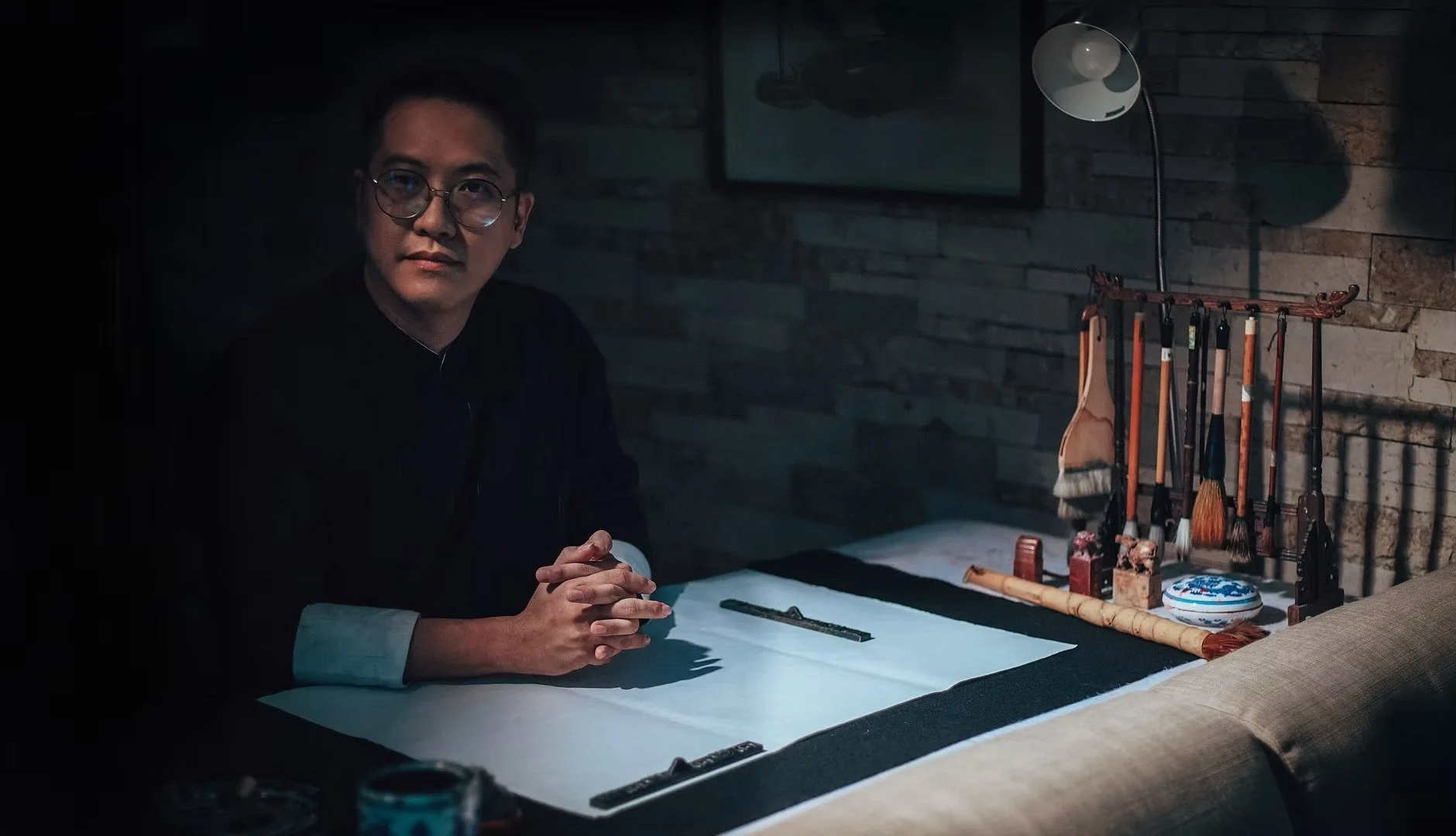
Dr. Yudhi Gejali
A medical doctor integrating Japanese-style acupuncture, Zen counselling and meditation. He guides the Blue Buddha Indonesia community, exploring the connections between contemplative practice and wellbeing. A practitioner of Yuthok Nyingthig practices
Topic: The Medicine of Presence: Beyond Therapeutic Techniques -
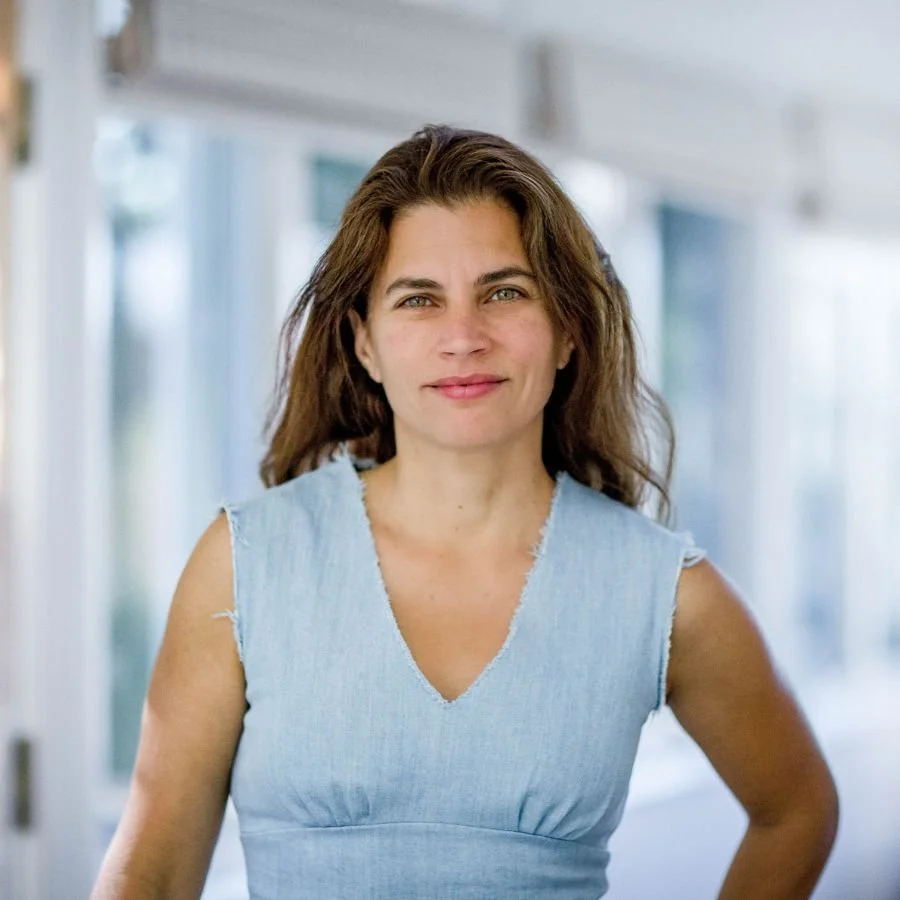
Christiana Polites
Director of the Sowa Rigpa Institute and Sky Press, and co-founder of Pure Land Farms. Nejang Yoga instructor, Yuthok Nyingthig instructor
Topic: Nejang framework and practice -
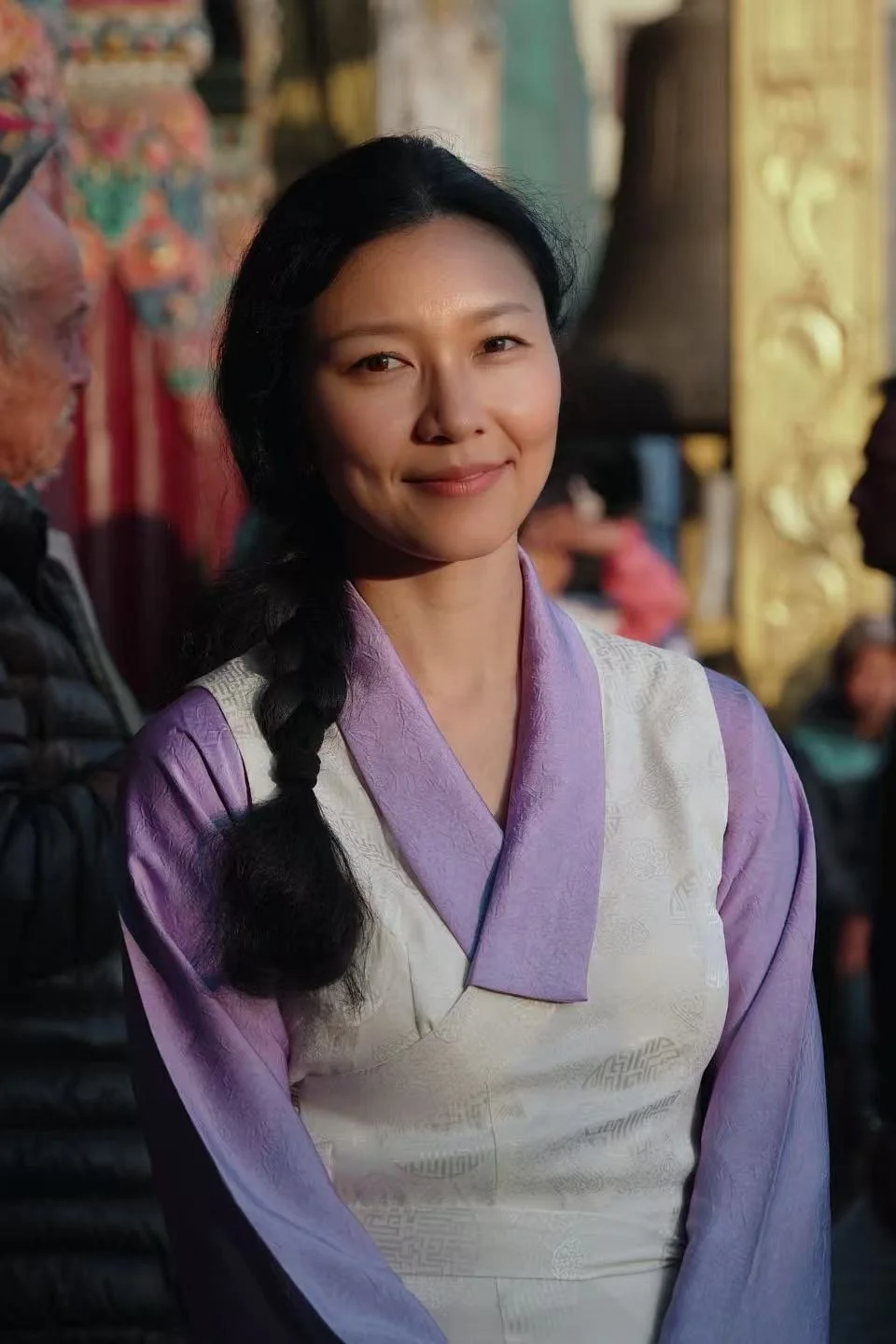
Drukmo Gyal
Mantra singer, Sowa Rigpa and Buddhist practice instructor, Anthropologist, Sowa Rigpa Forum co-founder.
Topic: How to position breath-work in relation to Sowa Rigpa and Buddhism?
-
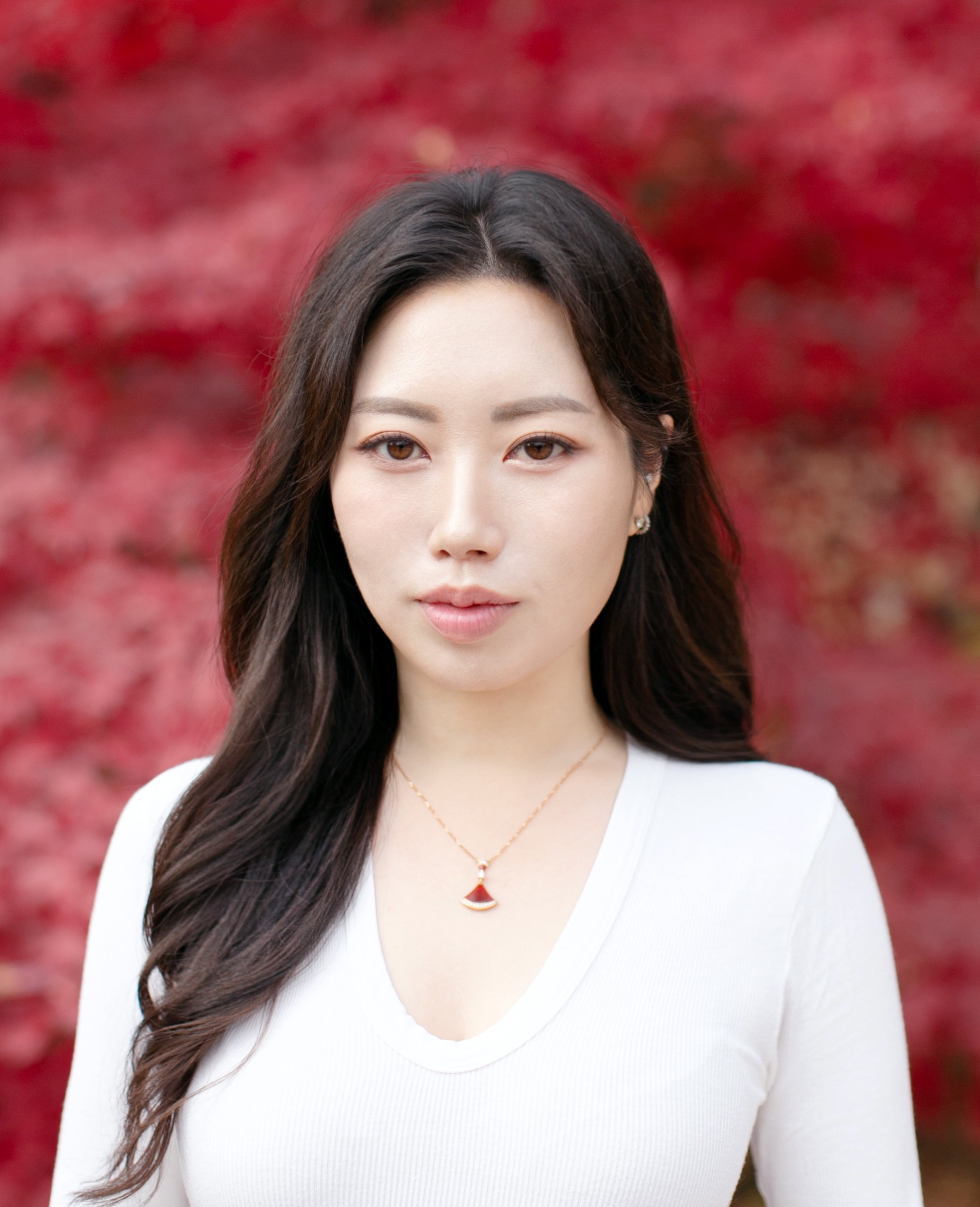
Liz Sung
Yoga Director of the Sowa Rigpa Institute and a student of Dr. Nida Chenagtsang. A Yuthok Nyingthig practitioner, she combines Tibetan yoga and Sowa Rigpa principles with training in Hatha and trauma-informed yoga.
Topic: Tibetan yoga for everyday practice -
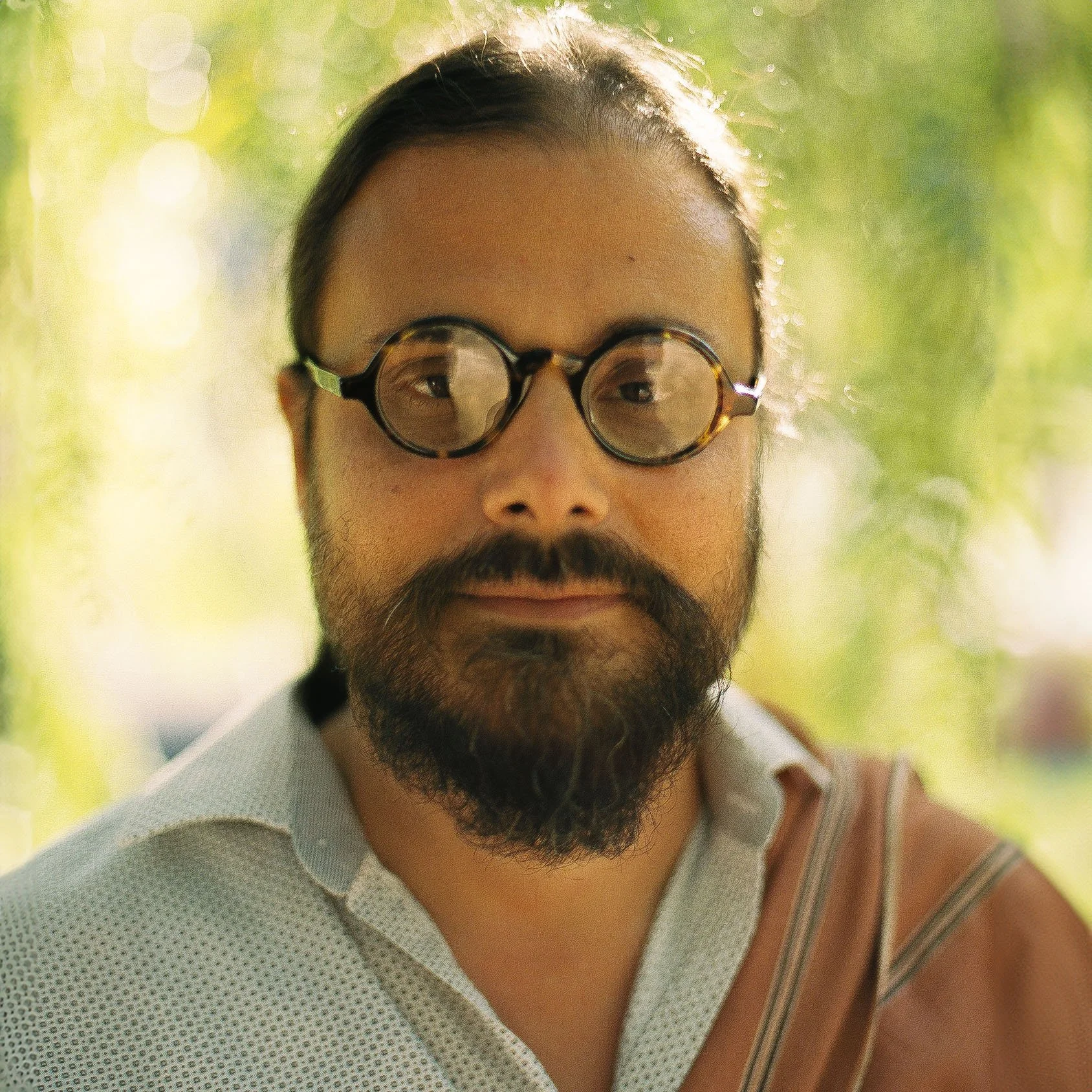
Lama Justin von Bujdoss
Buddhist teacher, chaplain and author of Modern Tantric Buddhism. As founding teacher of Yangti Yoga Retreat Center, his work brings together Vajrayana meditation, dark retreat and compassionate spiritual care.
Topic: The Union of Ati Yoga and Spiritual Care: Exploring the cultivation of non-judgemental pastoral presence and the intimacy generated by resting into pure being -
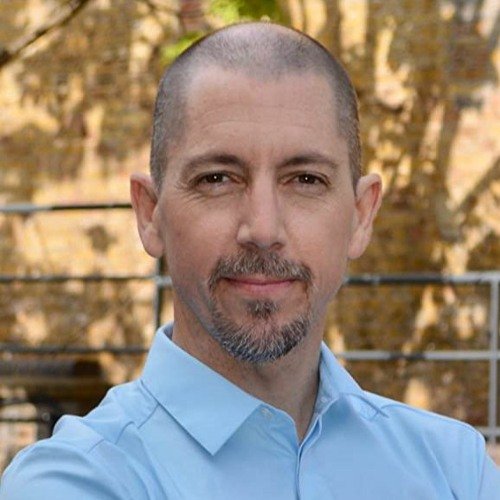
Matteo Pistono
Meditation and breathwork teacher and author of Breathe How You Want to Feel. Drawing on more than thirty years of meditation practice and study of Buddhism and Hatha yoga, he teaches conscious breathing, pranayama and meditation, helping people bring these practices into everyday life.
Topic: Breathwork, pranayama and meditation -
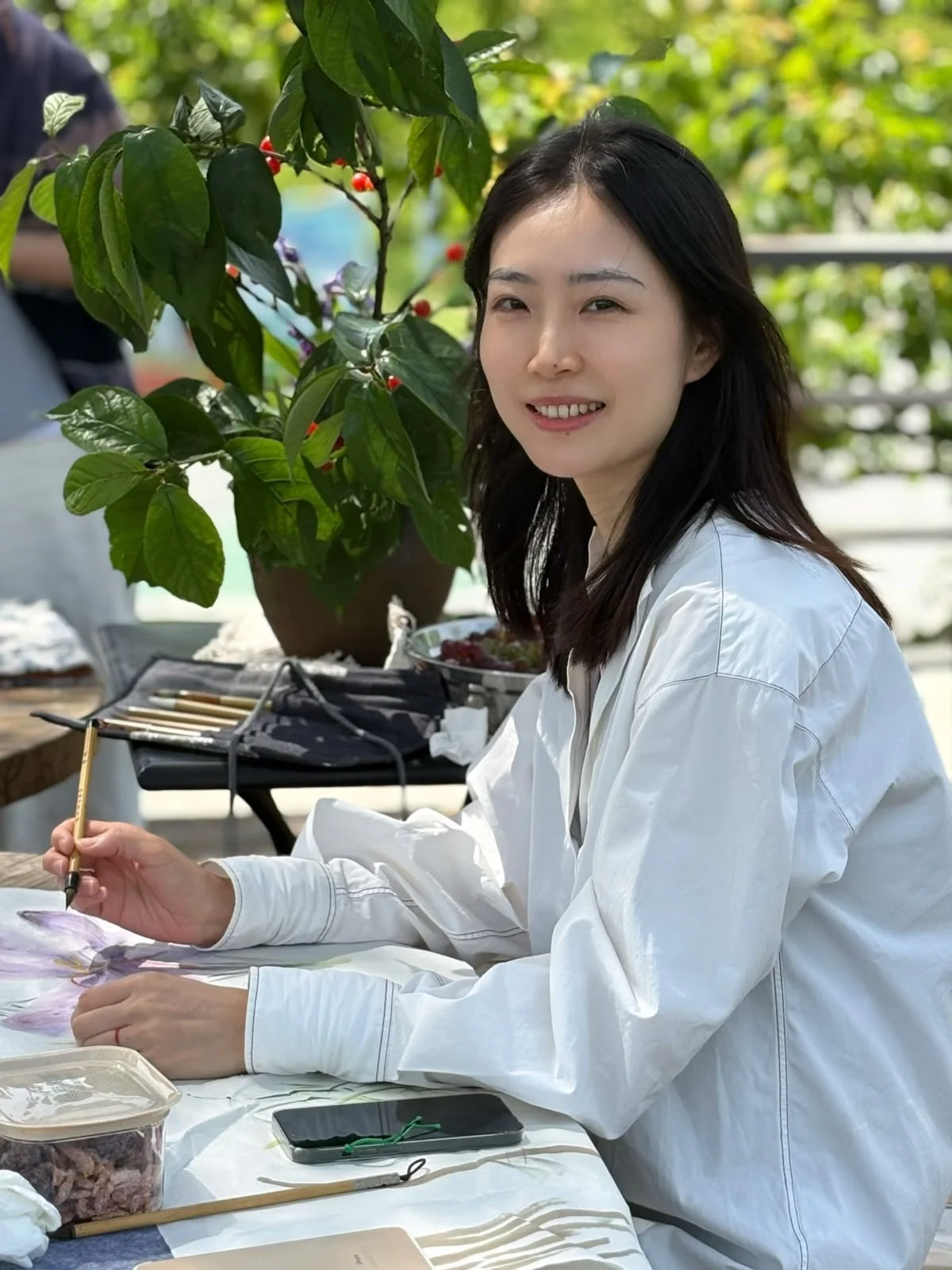
Li Jing
Chinese ink painter and arts educator exploring how ink painting connects with body awareness and well-being. A University of St Andrews graduate, she has studied Sowa Rigpa since 2025 and teaches ink painting to middle school students.
Topic: From Within to the Canvas: Exploring the Mind-Body Connection Between Tibetan Yoga and Chinese Ink Painting
-
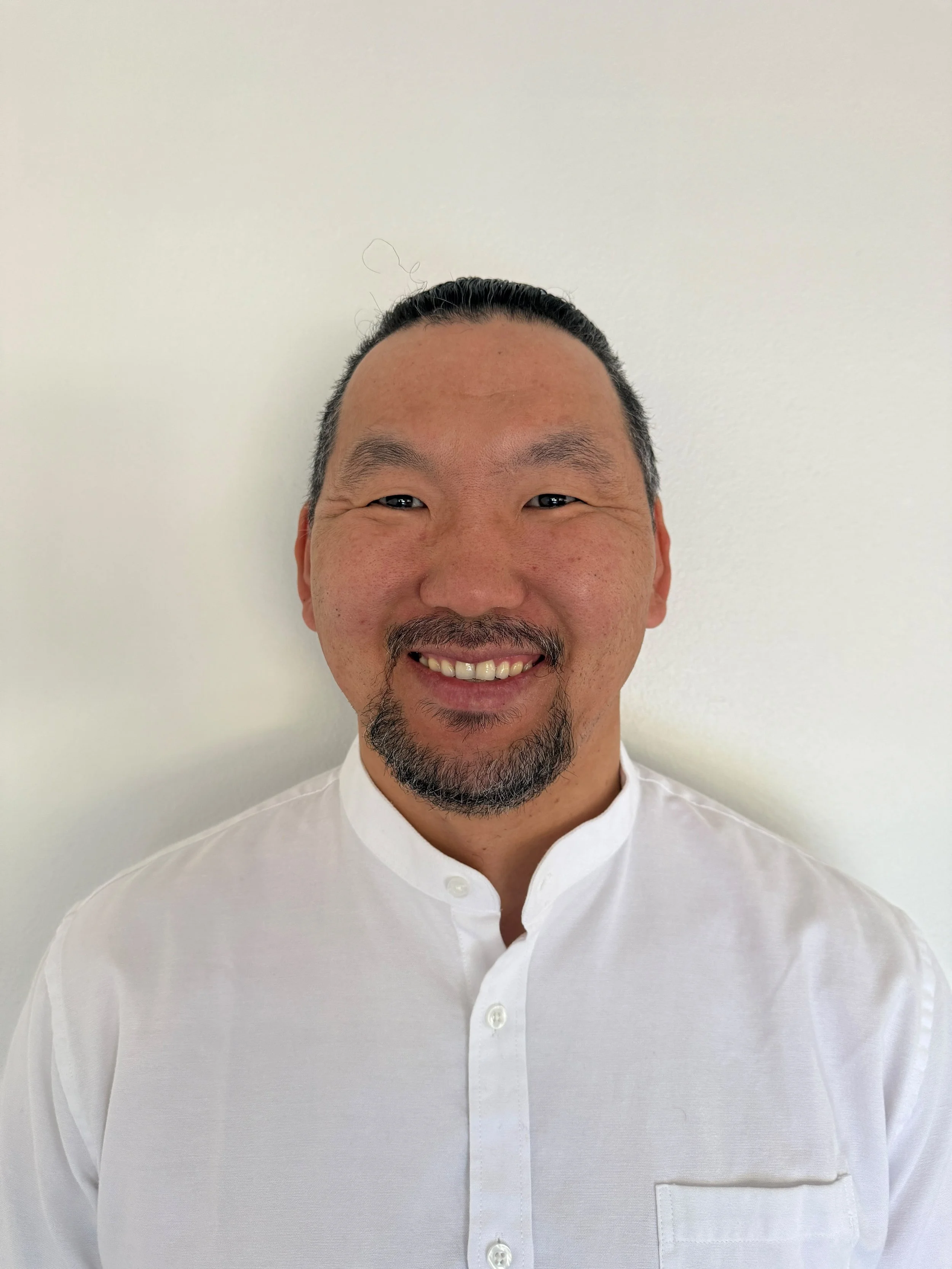
Balto Sultimov
Buryat-Mongolian massage therapist, yoga instructor and former Buddhist monk. He spent nearly ten years studying Buddhist philosophy and meditation at Drepung Gomang Monastery in India, and trained in Hatha Yoga in Rishikesh. Certified Massage Therapist: National Holistic Institute, California.
Topic: Body and mind in balance: Tibetan healing, massage and yoga
-
More will be updated
More Speakers will be listed soon.
Our Tickets
Early Bird ends December 1st 2026


Join the forum online for one day of your choice.
One day of live sessions
Recordings of that day for 6 months
Join from anywhere, in English
Choose 15, 16 or 17 January

Join the forum online in English, for all three days.
Three days of forum sessions
All recordings for 6 months
Join from anywhere
Access talks from past forums
FAQs
-
Yes. It’s made for you. Everything is explained in plain language, and curiosity is enough.
-
No. The Forum introduces the key ideas as it goes. You’ll leave knowing far more than when you arrived.
-
Not at all. Speakers include experienced doctors and teachers, and Day 3 features new research from graduates.
-
No. You can simply watch and listen.
-
No problem. Every session is recorded, and you can watch for 6 months after the Forum.
-
Sessions start at 9:00 Estonian time (EET, UTC+2) each day. That’s 7:00 in London, 8:00 in Berlin and Paris, and 12:30 in India. Every session is recorded, so you can watch at a better time.
-
Yes. Each day includes live Q&A, so bring your questions.
-
Yes. Day passes are available from €69. The full ticket gives the best value and includes all recordings.
-
After you register, you’ll get an email with your Zoom link. On the day, click it and you’re in. No special setup needed.
Organized by
The Sowa Rigpa Forum belongs to Dr Nida Chenagtsang's Sowa Rigpa Open University. The 2027 edition is hosted by Sowa Rigpa School Estonia, also known as the Estonian Academy of Traditional Tibetan Medicine, based in Väluste.
Forum owner
2027 forum host
Sponsor

Our approach to dialogue
We approach Sowa Rigpa with respect for its Tibetan and Himalayan roots, its medical and contemplative traditions, and its relationships with Tibetan Buddhism. We honour the teachers and communities who carry this knowledge while making space for thoughtful questions about its meaning and practice today.
People of all cultural, professional and religious backgrounds are welcome. Participation requires no religious commitment.
We value curiosity, careful listening and respectful disagreement. When sharing a view, we encourage participants to explain their reasoning and acknowledge the teachings, research or experiences informing it. Personal experience, traditional knowledge and clinical evidence each deserve clear context. When perspectives differ, we examine ideas while treating one another with care.
© 2026 Sowa Rigpa Forum. All Rights Reserved. • Terms of Service • Privacy Policy